
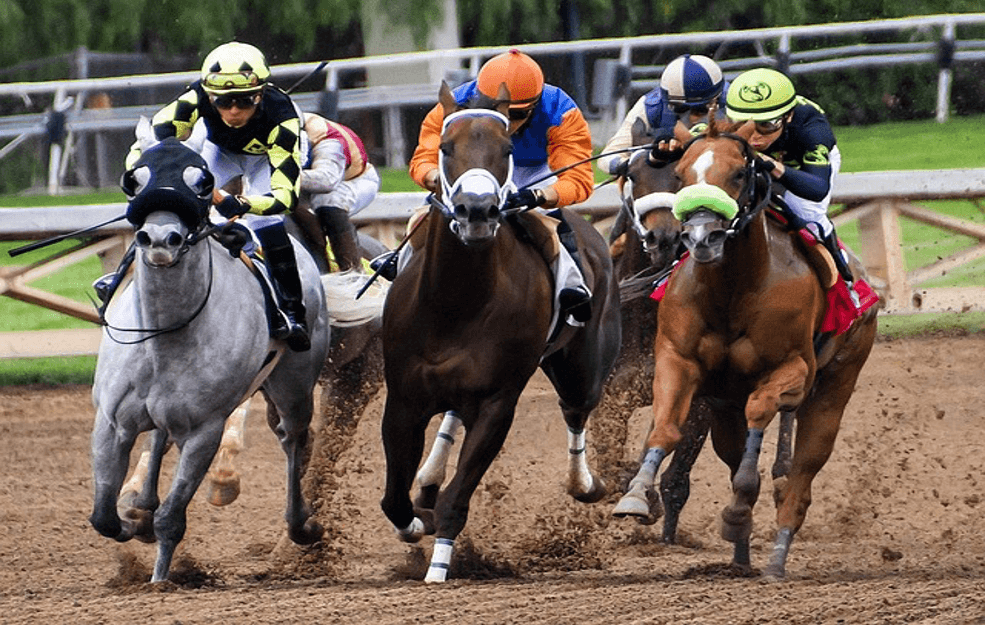
Language around gambling continues to shift, and few terms illustrate that better than the word commonly used for electronic gaming machines in New Zealand. The term has moved beyond gaming venues and now appears across broader wagering conversations, including horse racing. This shift carries cultural and financial effects. Public debate shows how overlapping language can shape discussion and influence politics, blurring the line between a long-standing sport and machine-based gambling. Racing begins to sound like a product rather than a sport, and that shift filters into policy conversations.
Changing language in gambling conversations
Online references to pokies appear more often beside horse racing terms in forums and digital media, especially when lists such as Best online pokies circulate widely. Research from AUT and the Problem Gambling Foundation notes that electronic gaming machines remain one of the most engaged-with gambling products in New Zealand, while a significantly smaller share of online gamblers bet primarily on racing. Despite the clear differences between the activities, both continue to be grouped under a general gambling label.
The overlap reduces clarity about how distinct they are, one based on continuous chance events and the other shaped by probability and form analysis. When headlines pair racing with machine gambling, they imply similar mechanics, although the languages of each activity remain independent. Racing still speaks of trifectas, win bets and form lines, while machines speak of spins and paylines, yet this contrast is easy to lose in public conversations.
Economic entanglement between revenue streams
Figures from the New Zealand Racing Industry Transition Agency and related 2023 financial reports indicate that a meaningful portion of racing revenue is linked to venues that host electronic gaming machines. In regions such as Auckland and Canterbury, these venues contribute to stakes funding and operational costs. Critics argue that this reliance disguises deeper challenges in race attendance and long-term sustainability.
Advocacy groups responding to recent national reviews claim that the sport’s dependence on machine-gambling revenue distorts public perception. Industry voices counter that turnover on thoroughbred and harness racing continues to provide a strong base that is not solely dependent on gaming machine profits. Money links the two sectors and the language tends to move with the money.
Media framing and cultural perception
Media outlets often connect machine gambling and racing within a single conversation about gambling harm. Television segments introduce major racing events alongside reporting on annual gaming machine losses, which exceeded NZD 1 billion in recent years according to the Department of Internal Affairs. This pairing can imply shared levels of risk, even though the profiles differ sharply. Racing involves intermittent betting moments, while machine gambling offers rapid, continuous play. Journalists note how the term used for these machines carries emotional implications for New Zealanders, often associated with local pubs, community tension and problem gambling cases. Horse racing, by contrast, has long been tied to social gatherings, regional traditions and sporting culture.
Policy reaction and discursive implications
Government responses reflect the complex ties between the sectors. Extensions of venue and machine licenses, debated repeatedly in local councils and Parliament, often raise concerns among harm-reduction advocates who view these measures as reinforcing social cost. Policy discussions frequently reference the flow of machine-gambling revenue into racing funds, showing how the industries are increasingly connected in political rhetoric.
Scholarship from New Zealand academics notes the growing “gamblification” of sport, pointing out that betting promotion and machine-gambling income now share common narrative framing. Racing communities resist being defined by gaming machine revenue, highlighting employment, animal welfare programs and regional economic value. As the terminology of machine gambling appears more often in racing discussions, it shapes the collective identity surrounding the sport through economic and linguistic pressure rather than tradition.
Responsible gambling perspective
Clear, consistent language helps people distinguish between gambling products and seek appropriate support when needed. It also helps policymakers separate racing promotion from machine gambling discourse, which strengthens transparency. Individuals benefit from recognising that wagering on a horse race differs entirely from using an electronic gaming machine.
Responsible messaging should underline these distinctions and remind the public that all gambling involves financial risk. Aligning the public image of racing with harm reduction, rather than machine-based revenue, offers a steadier path for communities, media and consumers. Accurate terminology supports better decision making and keeps moderation at the centre.