
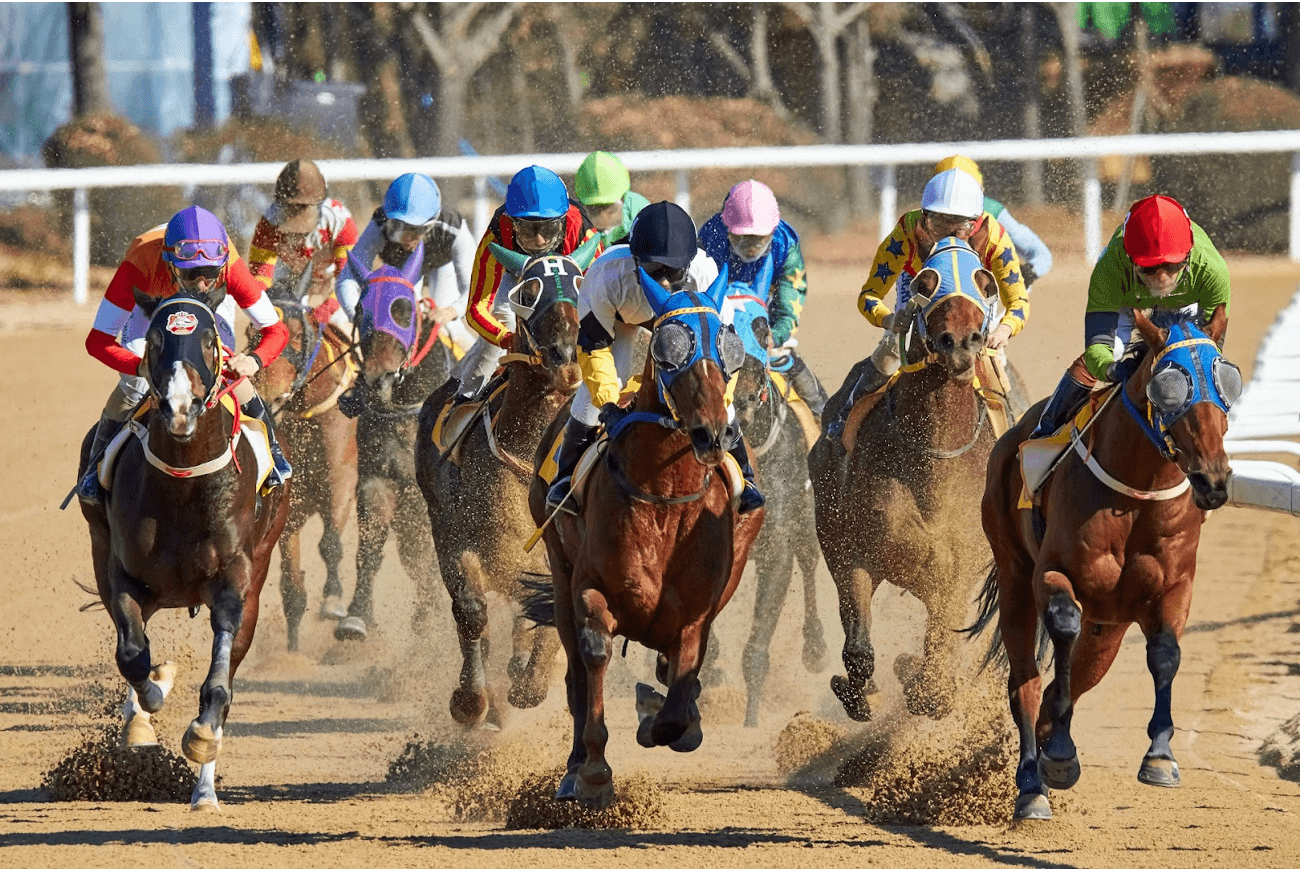
There was a time when being quick out the gates could carry a horse all the way to the finish. Front-runners were feared, and early speed was often seen as a weapon — especially over shorter distances. But in recent years, the shape of races has evolved. Trainers are wiser. Jockeys are savvier. Data is everywhere. The question now is whether early pace still holds real power in elite-level racing, or if it’s become a tactical trap waiting to be exposed.
As punters adapt and horses evolve, it’s worth digging into how early speed fits into modern race dynamics — and whether bold tactics still pay off when the pressure is on.
When Speed Meets Strategy
There’s no denying that early pace remains one of the most visually striking features of a race. When a horse bounds out in front and sets the rhythm, it can feel like poetry in motion. But in big races, where fields are deeper and opposition is smarter, holding the lead from start to finish is no longer guaranteed success.
Yet plenty of punters still see value in backing pace-setters — especially when they’re given a soft lead or if the track tends to favour front-runners. That’s where UK betting exchange sites come into play. These platforms give seasoned bettors the flexibility to trade in-play, lay favourites, or back early speed if they anticipate the field will allow one horse to dictate.
The appeal of betting exchanges lies in their peer-to-peer model — odds often offer better value than traditional bookmakers, and users can set their own prices. There’s also greater control over risk management, with options to hedge or trade out before the race concludes. For those watching sectional times and analysing pace maps, these platforms offer a unique way to capitalise on shifting dynamics — particularly when an early leader starts to look dangerous halfway through a race.
The popularity of these exchanges among UK racing fans continues to grow. They’re used by casual bettors looking for variety, and by serious punters who value precision and control. And when it comes to fast-starting horses, they provide a perfect platform to react in real-time to how the race unfolds.
Front-Runners Who Broke the Mould
Despite all the data suggesting patience and closing speed dominate modern racing, there are still high-profile cases where front-runners have gone all the way. Think of Shishkin’s early chasing days, where bold tactics made him untouchable. Or recall how Battaash used raw speed to decimate fields over five furlongs. These are moments where early pace didn’t just hold — it shattered the competition.
In National Hunt racing too, brave rides from the front can pay off, especially when conditions suit. A well-judged ride on testing ground, where others are wary to commit early, can turn into a masterclass in pace management. Not every front-runner is a reckless tearaway. The best jockeys are professionals at setting a fair gallop and keeping enough in reserve.
Track bias plays a role. Some courses simply reward those who take the initiative. Chester, for example, with its tight turns and short straight, can be a graveyard for closers. Over there, bagging the rail and kicking on early has long been a tried-and-tested tactic.
Why Punters Still Love a Bold Ride
There’s something universally appealing about a horse that takes the race by the scruff of the neck. It taps into a sense of defiance, a refusal to wait or follow. It’s easy to admire a horse that sets its own terms. That kind of bravery — from both horse and rider — often earns more respect than a polished late swoop.
Punters remember bold rides. They talk about them in forums, replay them on YouTube, and chase that same thrill in future bets. Even when the result doesn’t come off, there’s satisfaction in seeing a horse run its race rather than be caught in a traffic jam at the rear.
Of course, backing a front-runner isn’t without its risks. If the pace is too hot, or if a rival goes with them, it can all unravel by the two-furlong pole. But that unpredictability is part of the draw. Brave punters who love to play the odds would rather go down swinging on a 10/1 shot who leads them on a thrilling ride than lose on a 7/4 favourite that never gets out of the pack.
What the Data Says — and What It Misses
Modern analytics have changed the way we view pace. Tools that chart sectional timings, stride patterns, and track bias have become essential to top-level race reading. The consensus from much of this data is that sitting just off the pace — the so-called “stalking” position — offers the best blend of opportunity and efficiency. It allows a horse to conserve energy while staying in striking distance.
Yet data doesn’t always capture the full story. It can’t measure a jockey’s intuition, a horse’s comfort in certain courses, or the psychological edge gained when setting the tone. Some horses love to lead. They don’t enjoy being behind. They thrive on rhythm and hate stop-start gallops. No graph or chart can fully model that.
So while numbers give us useful trends, they don’t erase the possibility of a well-executed front-running masterclass. Especially in races where the pace setup suggests the leader might be left alone — or where other contenders are too wary to chase.
Early pace might not dominate the way it once did, but it’s far from irrelevant. It’s a variable that still shapes races, decides tactics, and catches out those who ignore it. In the biggest contests, boldness must be matched with judgement. When it is, those early strides can still carry a horse into the history books.